
The Importance of Accessibility in Enterprise Software
Innovarte Team
Editorial
Beyond Compliance: The Human Element

Innovation requires a solid foundation. Photo: Innovarte
When we discuss enterprise software architecture, the focus is almost exclusively on scalability, security, and performance. Accessibility (a11y) is frequently relegated to a backlog item, viewed as a "nice-to-have" feature or a compliance checkbox to be addressed right before launch. This mindset is fundamentally flawed. Building accessible software is not just a legal requirement; it is a core component of software quality and a moral imperative.
In South Africa, where we are building digital infrastructure for a highly diverse population with varying levels of digital literacy and physical ability, ignoring accessibility means actively excluding a significant portion of the workforce and customer base. When our teams build internal tools or customer-facing portals, we treat accessibility as a non-negotiable architectural constraint from day one.
The Technical Foundation of Accessibility

The cloud is an operating model, not just a location. Photo: Innovarte
Accessibility is not something you can easily bolt onto a finished application. It requires a deep understanding of semantic HTML and how browsers interact with assistive technologies like screen readers.
- Semantic HTML: Using the correct HTML tags for their intended purpose. A button should be a
<button>, not a<div>with an onClick handler. Semantic tags provide built-in keyboard navigation and context for screen readers. - ARIA Attributes: When building complex, custom UI components (like a drag-and-drop interface or a custom dropdown), we use Accessible Rich Internet Applications (ARIA) attributes to explicitly define the component's role, state, and properties for assistive technologies.
- Keyboard Navigation: Every interactive element in the application must be reachable and operable using only a keyboard. We rigorously test focus management to ensure users don't get trapped in modal dialogs or lose their place on the page.
We integrate automated accessibility testing tools (like axe-core) directly into our CI/CD pipelines. If a developer commits code that introduces a severe accessibility violation, the build fails, just as it would for a failing unit test.
The Business Case for Inclusive Design

Technology is a tool, not a strategy. Photo: Innovarte
The argument for accessibility extends far beyond altruism. In an enterprise context, inaccessible internal tools directly impact productivity. If an employee with a visual impairment or a motor disability cannot efficiently use the company's CRM or HR portal, their performance suffers, and the organization loses valuable talent.
"Accessible design is good design. When you build a system that works well for a screen reader, you inevitably build a system with cleaner code, better structure, and improved SEO."
Furthermore, the principles of accessible design—high contrast ratios, clear typography, and logical navigation—benefit all users. A high-contrast interface is easier to read for someone with perfect vision working in a brightly lit room or on a low-quality monitor. Clear, concise error messages help everyone recover from mistakes faster.
Shifting the Culture
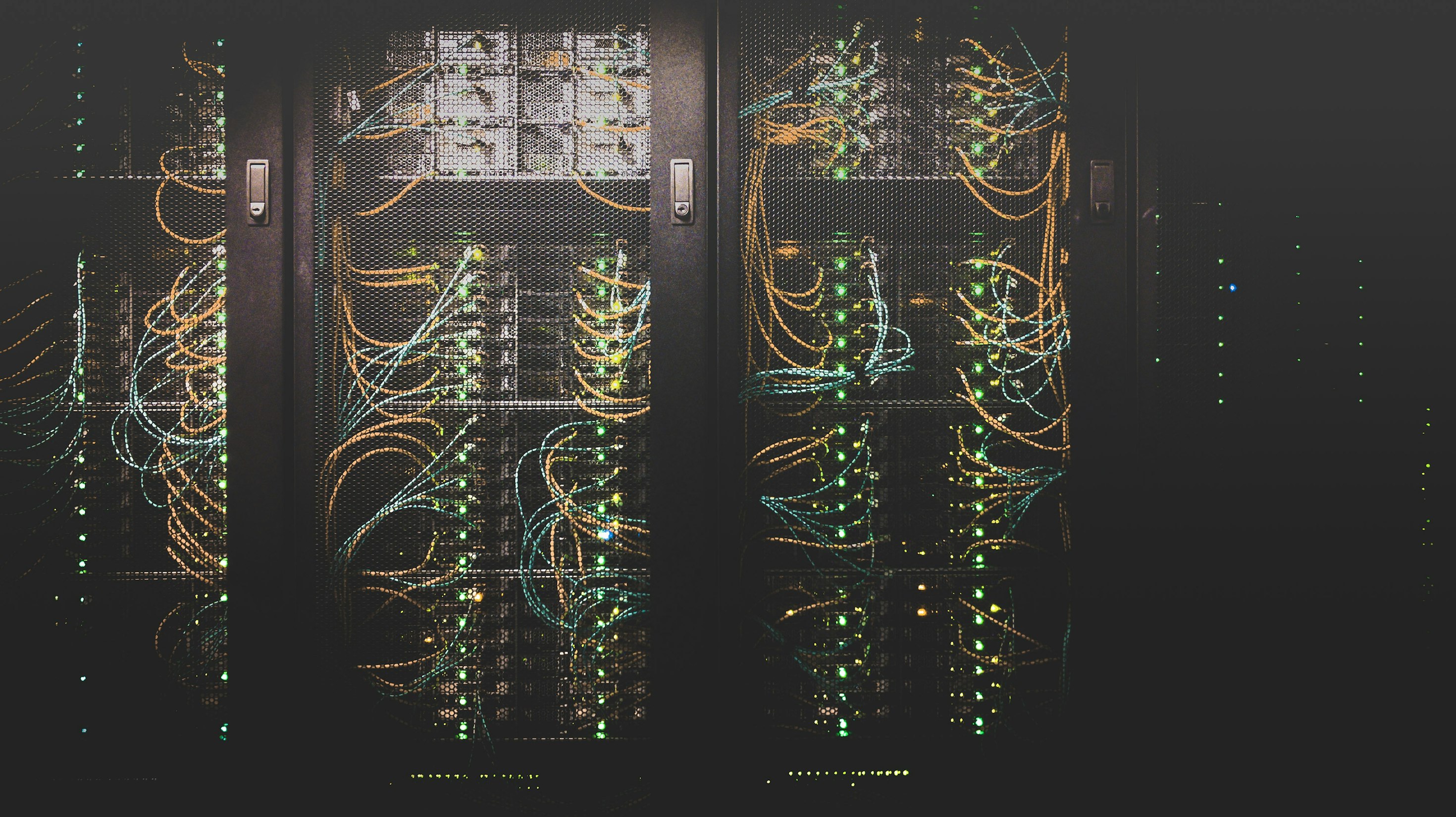
Data drives decisions, but humans provide context. Photo: Innovarte
Building accessible software requires a cultural shift within the engineering and design teams. It means moving away from pixel-perfect mockups that ignore how a page reflows when a user increases the default font size by 200%. It means conducting user testing with individuals who actually rely on assistive technologies, rather than relying solely on automated tools.
By prioritizing accessibility, we build software that is more robust, more usable, and ultimately more equitable. It is a testament to the craftsmanship of the engineering team and a reflection of the organization's commitment to inclusive digital transformation.
Related Articles

Web3 and the Enterprise: Separating Signal from Noise
A pragmatic look at decentralized technologies and their actual utility for traditional business models.
Read more
The Ethics of Automated Decision Systems
Addressing bias, fairness, and accountability when deploying algorithms that impact human lives and livelihoods.
Read more