
The Future of Work: Digital Workspaces and Collaboration
Innovarte Team
Editorial
Beyond the Video Call

Data drives decisions, but humans provide context. Photo: Innovarte
The abrupt shift to remote work in 2020 forced organizations to rapidly adopt digital collaboration tools. However, for many enterprises, the "digital workspace" still consists of little more than a chaotic Slack instance, endless Zoom meetings, and a fragmented mess of shared documents. This ad-hoc approach is unsustainable. It leads to information silos, context switching fatigue, and a profound sense of disconnection among distributed teams.
As we help organizations architect their long-term digital workspace strategies, we emphasize that true collaboration requires more than just communication tools. It requires a cohesive ecosystem that integrates communication, knowledge management, and automated workflows into a unified employee experience.
The Centralization of Knowledge

Security is a continuous process, not a destination. Photo: Innovarte
The biggest casualty of poorly implemented remote work is institutional knowledge. In a physical office, knowledge is often transferred through informal conversations and shared context. In a distributed environment, if information isn't explicitly documented and easily discoverable, it effectively doesn't exist.
- The Single Source of Truth: We advocate for robust, centralized knowledge bases (like Notion, Confluence, or specialized internal wikis) where documentation is treated as a first-class citizen, not an afterthought.
- Asynchronous Communication: We push teams to move away from the expectation of immediate responses. By defaulting to asynchronous communication (detailed written proposals rather than quick chat messages), we create a searchable record of decision-making and allow engineers to focus on deep work without constant interruption.
- Intelligent Search: A knowledge base is useless if you can't find what you need. We are increasingly integrating enterprise search tools, often powered by internal LLMs, to allow employees to query across wikis, chat logs, and code repositories simultaneously.
In the South African context, where teams are often distributed across different cities and face varying infrastructure challenges (like load-shedding), asynchronous, well-documented workflows are essential for maintaining productivity when synchronous communication is impossible.
Automating the Mundane
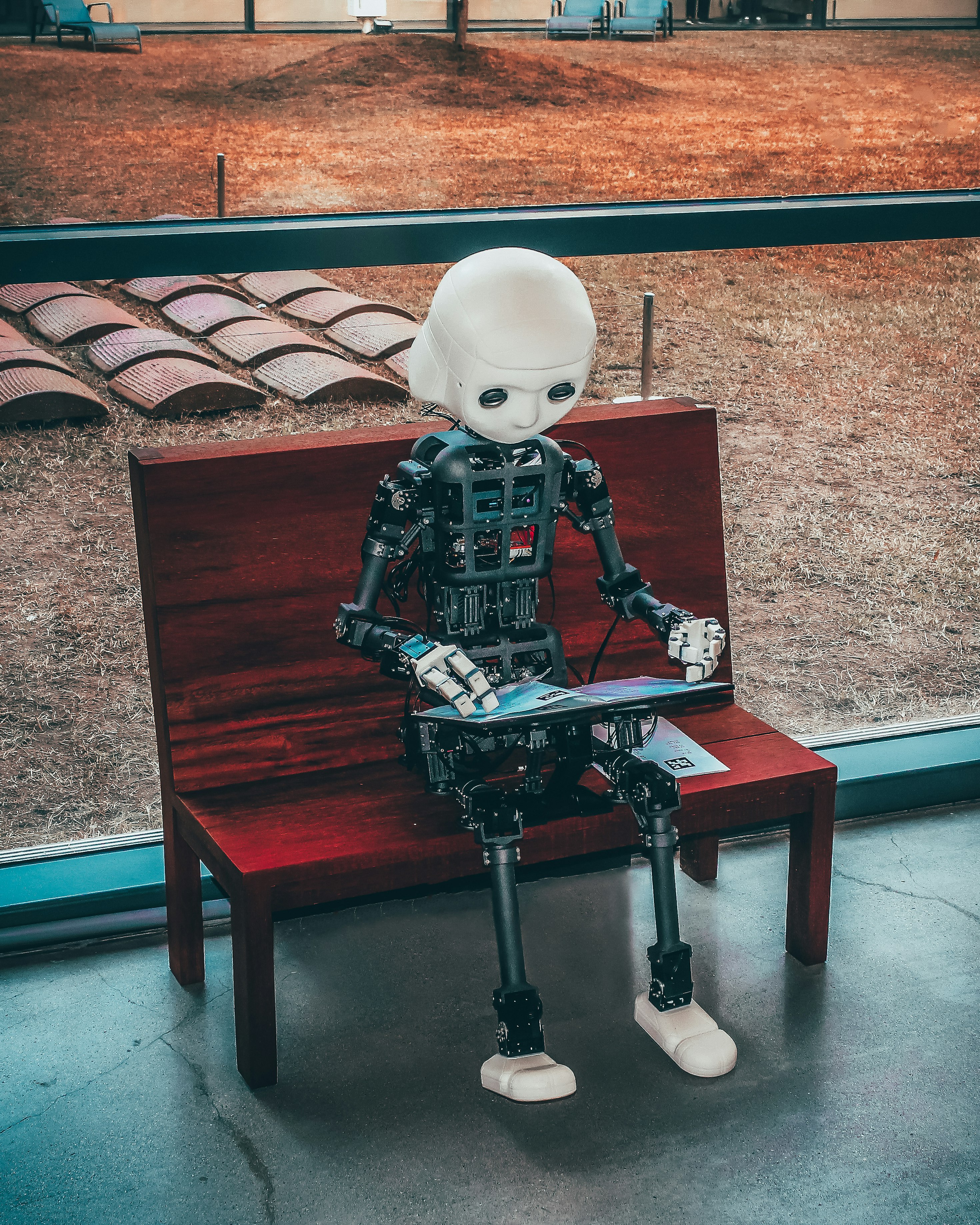
Innovation requires a solid foundation. Photo: Innovarte
A modern digital workspace should actively reduce friction. We leverage integration platforms (like Zapier or custom internal tooling) to automate routine workflows. If a new developer joins the team, their access to GitHub, AWS, and the internal wiki should be provisioned automatically via a single identity provider (IdP) integration, rather than requiring five different IT tickets.
"The goal of a digital workspace isn't to replicate the physical office; it's to build an environment where distributed teams can operate more efficiently than they ever could in person."
We also integrate operational alerts directly into the collaboration flow. When a critical deployment fails, the CI/CD pipeline should automatically create a dedicated incident channel, page the on-call engineer, and link to the relevant runbooks, centralizing the response effort.
Security in a Distributed World
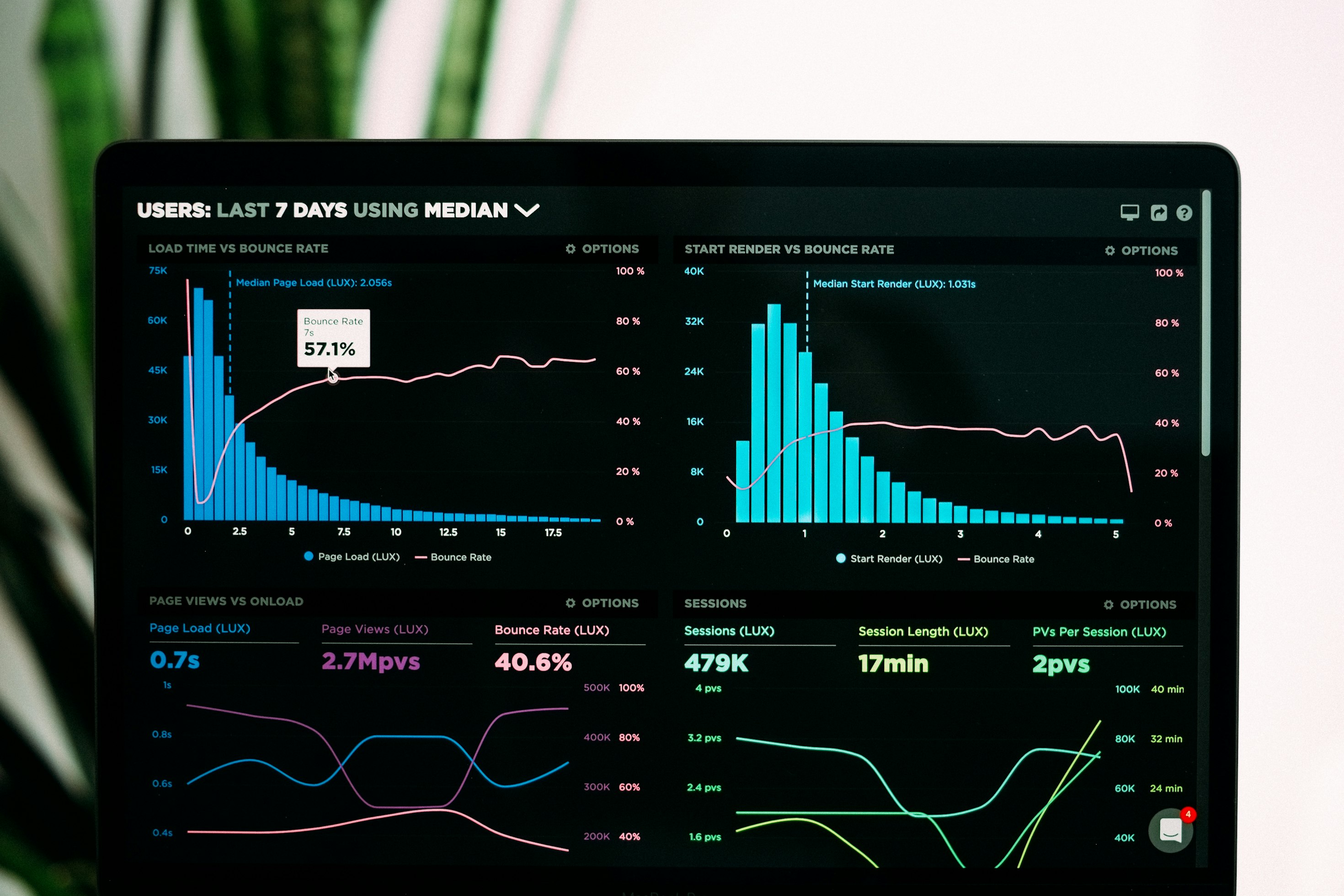
The cloud is an operating model, not just a location. Photo: Innovarte
Finally, the digital workspace must be secure by design. The perimeter has dissolved, and employees are accessing sensitive corporate data from personal devices on untrusted home networks. This necessitates a strict Zero Trust architecture, where access is granted based on continuous verification of identity and device health, regardless of location.
Building a highly effective digital workspace is an ongoing architectural challenge. It requires balancing the need for seamless collaboration with the imperative of strict data security. By focusing on asynchronous workflows, centralized knowledge, and automated integrations, we can build environments that empower distributed teams to do their best work.
Related Articles

Web3 and the Enterprise: Separating Signal from Noise
A pragmatic look at decentralized technologies and their actual utility for traditional business models.
Read more
The Ethics of Automated Decision Systems
Addressing bias, fairness, and accountability when deploying algorithms that impact human lives and livelihoods.
Read more